Who Holds the Map?
July 9, 2026
Mike Mack
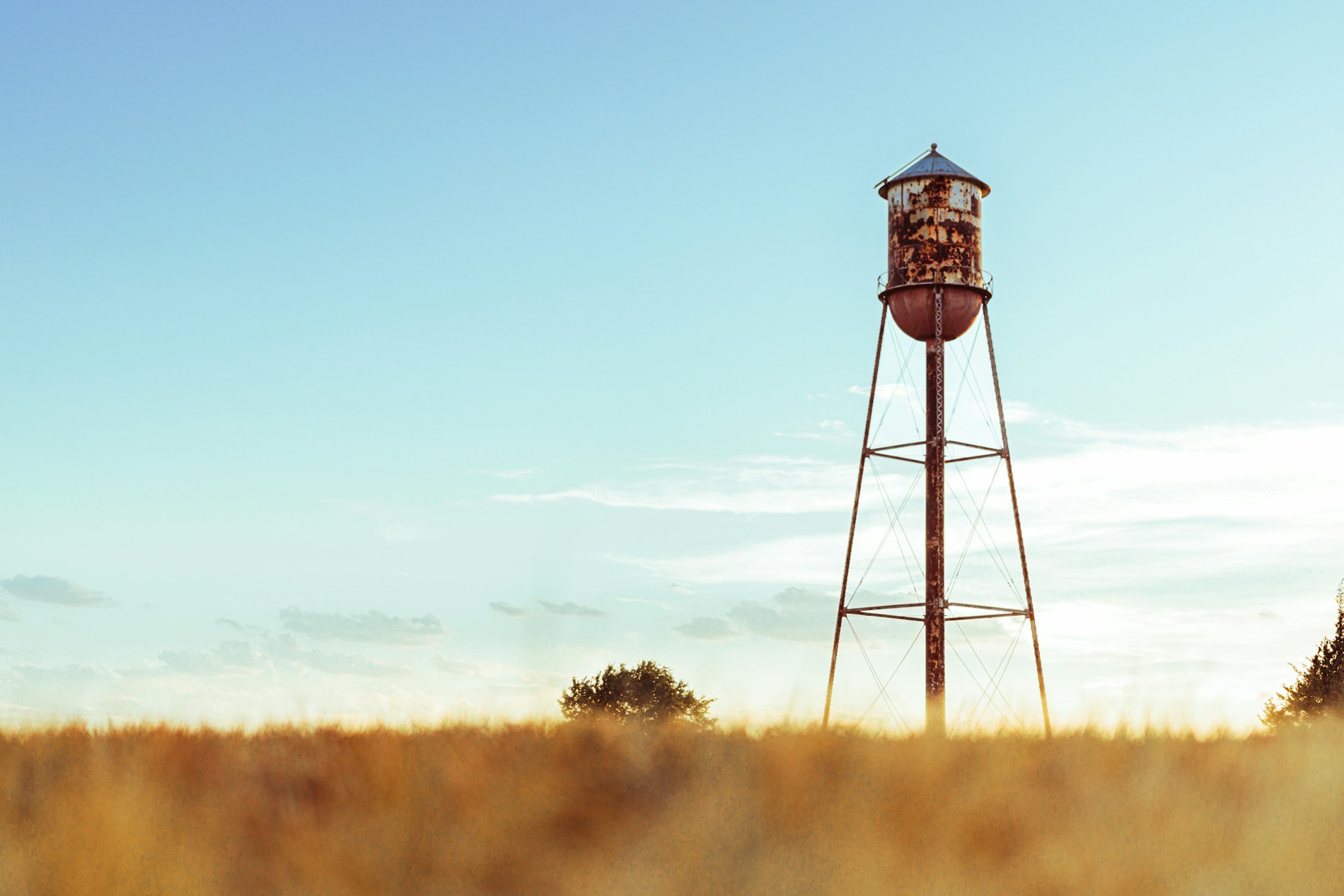
Rural hospitals aren't closing because of the care model. They're closing because they can't see past their own front door.
More than 180 rural hospitals have closed or stopped inpatient care since 2010 — roughly one in ten in the country. Hundreds more are on the edge. When one closes, the town doesn't just lose a building. It loses its emergency room, its labor and delivery, the jobs, and often the reason anyone moves there in the first place. The nearest hospital is now an hour away. Sometimes two.
So when a new way of delivering care shows up, rural leaders are right to ask a hard question: does this help my hospital survive, or does it speed up the day it closes?
The fear worth taking seriously
Lately that question is pointed at care delivered in the home — hospital-level care, but at the kitchen table instead of in a hospital bed. And there's a real fear underneath it. Here's the version of that fear I take seriously.
A big health system from the city moves into a small town. It uses home care to take the easy patients — the ones who are cheaper to treat and who keep the lights on. The local hospital still has to keep its doors open, its emergency room staffed, its building heated. But now it's doing all of that for fewer patients. Its cost to treat each one who's left goes up. And the taxpayer ends up paying twice — once for the city system's home visit, and once to prop up a half-empty local hospital.
In that story, the fear is right. Done that way, home care doesn't save rural hospitals. It bleeds them.
I want to be clear about that, because a lot of people in my world wave that concern away. They shouldn't. It's real.
The story blames the wrong thing
Here's where I land after a lot of these conversations: the story blames the care model. And the care model isn't the problem.
Ask why the city system was able to take those patients in the first place. It's because the local hospital had no way to reach them. A rural hospital is built to care for whoever walks through the front door. The patients spread out across the county — down the gravel roads, in the next town over, the ones who haven't come in yet and the ones who just went home — are invisible to it. Everything past the parking lot is a blind spot.
So the patients out there get reached by whoever can see them. Right now, that's the big system. Not because the big system is better. Because it's the only one holding the map.
What I mean by the map
Let me say what I mean by the map, because it's simple.
A hospital's records show you a patient once they're standing in front of you. That's it. The map is the opposite. It shows the hospital its patients out in the world — where they are, which ones need a visit, how long it actually takes to drive to them, and which ones are about to get in a car and head two hours down the road for care they could get at home.
And the map doesn't care which care model a hospital runs. Home visits, swing-bed outreach, follow-ups after a discharge — it answers the same question for all of them: where are your patients, and who reaches them first?
The records see the clinic. The map sees the field.
Same tool, opposite result
Now give that map to the local hospital, and the whole thing turns over.
The same home care that was a weapon used against the small town becomes the way the small town fights back. Now the local hospital is the one reaching its patients at home. It catches the people who were about to leave and never come back. The care stays in town. The money stays in town. The patient never has to make the two-hour drive.
Same tool. Opposite result. The only thing that changed is who was holding the map.
That's the part I want people to sit with. Home care doesn't decide whether a rural hospital lives or dies. The map does. Aimed by an outsider, it pulls patients out. Held by the local hospital, it pulls them back.
Who's holding it when care leaves the building
Care is moving out of the building. That's not a prediction — it's already happening, and it isn't going to stop. The question was never whether care would leave the four walls. The question is who's holding the map when it does.
If only the big systems have it, rural hospitals keep losing patients they never even saw leave. If the local hospital has it, the town keeps its hospital and gets care at home. Same future, two completely different endings.
When a rural hospital closes, people talk about it like the problem got solved — the math finally caught up, the doors shut, that's that. But the problem isn't solved. The people are still there. The distances are still there. The grandmother who needs care didn't move closer to a city because her hospital closed. She just has farther to go now, and fewer ways to get there.
A map doesn't keep a hospital open by itself. But a hospital that can finally see its own patients — out across the county, before they leave, after they go home — has a fighting chance that a blind one doesn't.
That's the bet we're making at Variate Health. Not a new way to practice medicine. A way for the hospital — not just the system down the highway — to hold the map.
— Mike Mack, Founder & CEO, Variate Health

Geography is healthcare's operating layer. Built by the person who answers the email: mike@variatehealth.com. One email. The founder reads it.